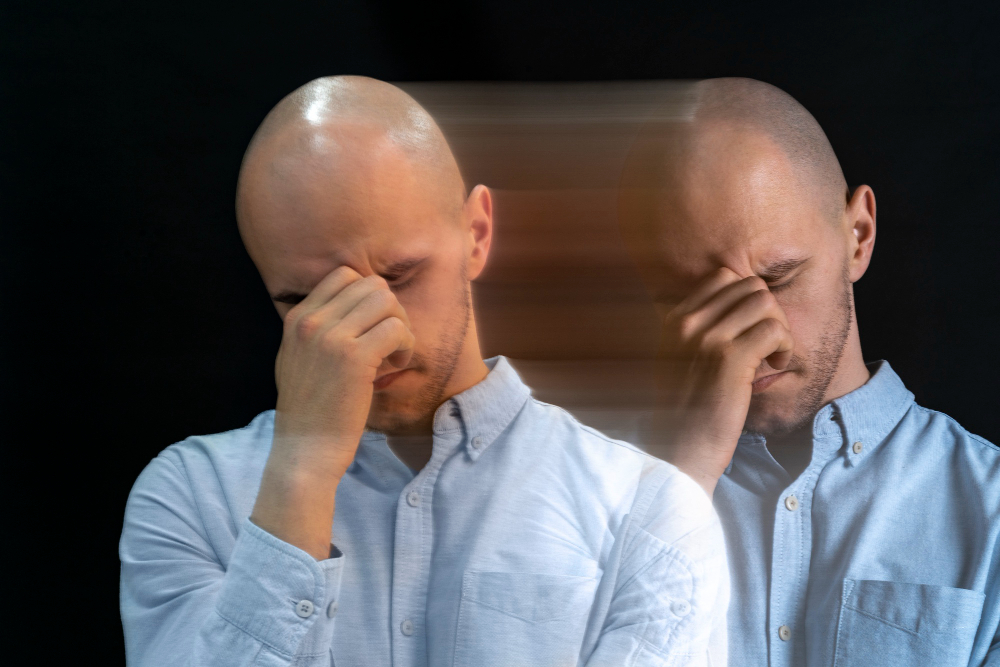
What is Bipolar Disorder?
Bipolar disorder is a mental health condition. It causes extreme mood changes. These changes can include high energy (mania) and low mood (depression). People with bipolar disorder may feel very happy or very sad for days or weeks. Because of this, daily life can become hard. Bipolar disorder affects both adults and children. It is also known as manic-depressive illness. Living with bipolar disorder can be challenging, but help is available.
Common Symptoms of Bipolar Disorder
Bipolar disorder symptoms can look different for each person. However, there are some common signs. These symptoms fall into two main types: manic and depressive episodes.
Sometimes, people may have mixed episodes. This means they feel both manic and depressive symptoms at the same time. If you notice these signs, it is important to seek help.
Causes and Risk Factors
Experts do not know the exact cause of bipolar disorder. However, several factors may increase the risk:
While these factors can increase risk, not everyone with them will develop bipolar disorder.
Diagnosis and When to Seek Help
Getting the right diagnosis is important. If you or someone you know has mood swings that last for days or weeks, it is time to talk to a doctor. Early diagnosis can help manage symptoms better. Doctors use interviews, checklists, and sometimes lab tests to rule out other problems. They may ask about your mood, sleep, and family history. Because symptoms can look like other mental health issues, a mental health specialist is often needed.
Treatment Options for Bipolar Disorder
Bipolar disorder treatment can help control symptoms. Most people need a mix of treatments. Common options include:
Doctors may adjust treatment over time. Because everyone is different, what works for one person may not work for another.
Lifestyle Tips and Coping Strategies
Along with treatment, healthy habits can make a big difference. Here are some tips for living with bipolar disorder:
With these steps, many people find it easier to manage their symptoms.
Prevention and Early Intervention
While you cannot always prevent bipolar disorder, early action can help. If you notice mood changes in yourself or a loved one, seek help quickly. Early treatment can reduce the severity of symptoms. It can also help prevent problems at work, school, or home. Staying informed and watching for warning signs is important. The World Health Organization and CDC recommend regular check-ups for those at risk.
If you have concerns about bipolar disorder, consult a mental health specialist at Amrutha Sankalp Clinic, Madhapur, Hyderabad, Telangana, for personalized advice.